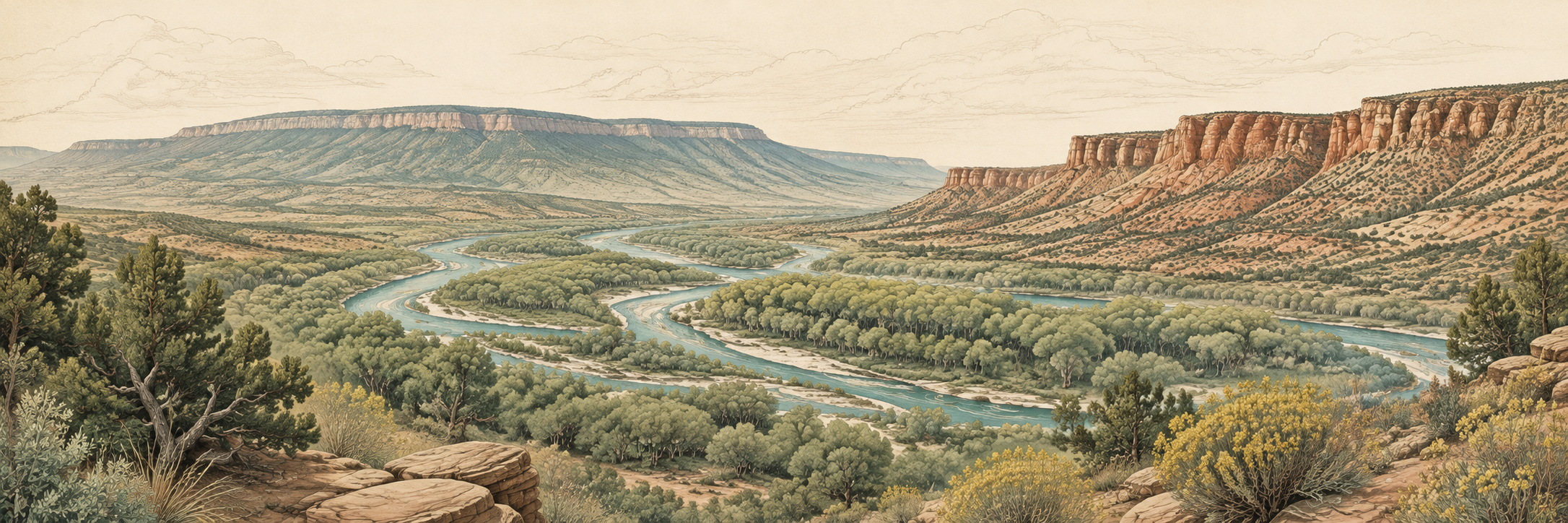
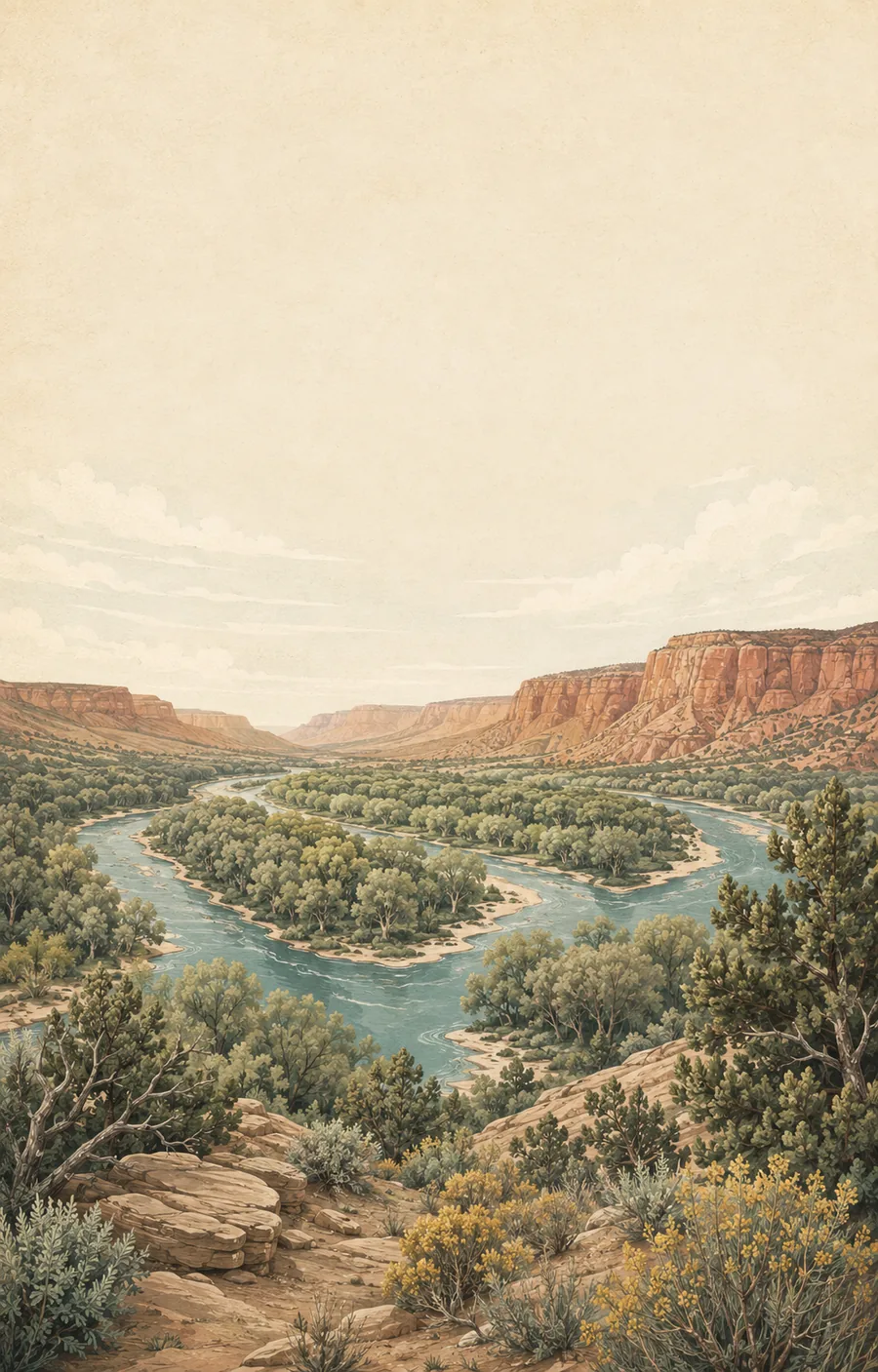
Grand Junction landscape, illustrated

Roam Colorado · Relocation Field Notes

MOVING TO GRAND JUNCTION, COLORADO

A Practical Guide to Life at the Center of the Grand Valley

Researched August 2026Mesa County, Colorado10 min read
Download the PDF guide

Grand Junction is not a mountain town in the usual Colorado sense. It does not sit inside an alpine postcard, and it has never needed to pretend otherwise.

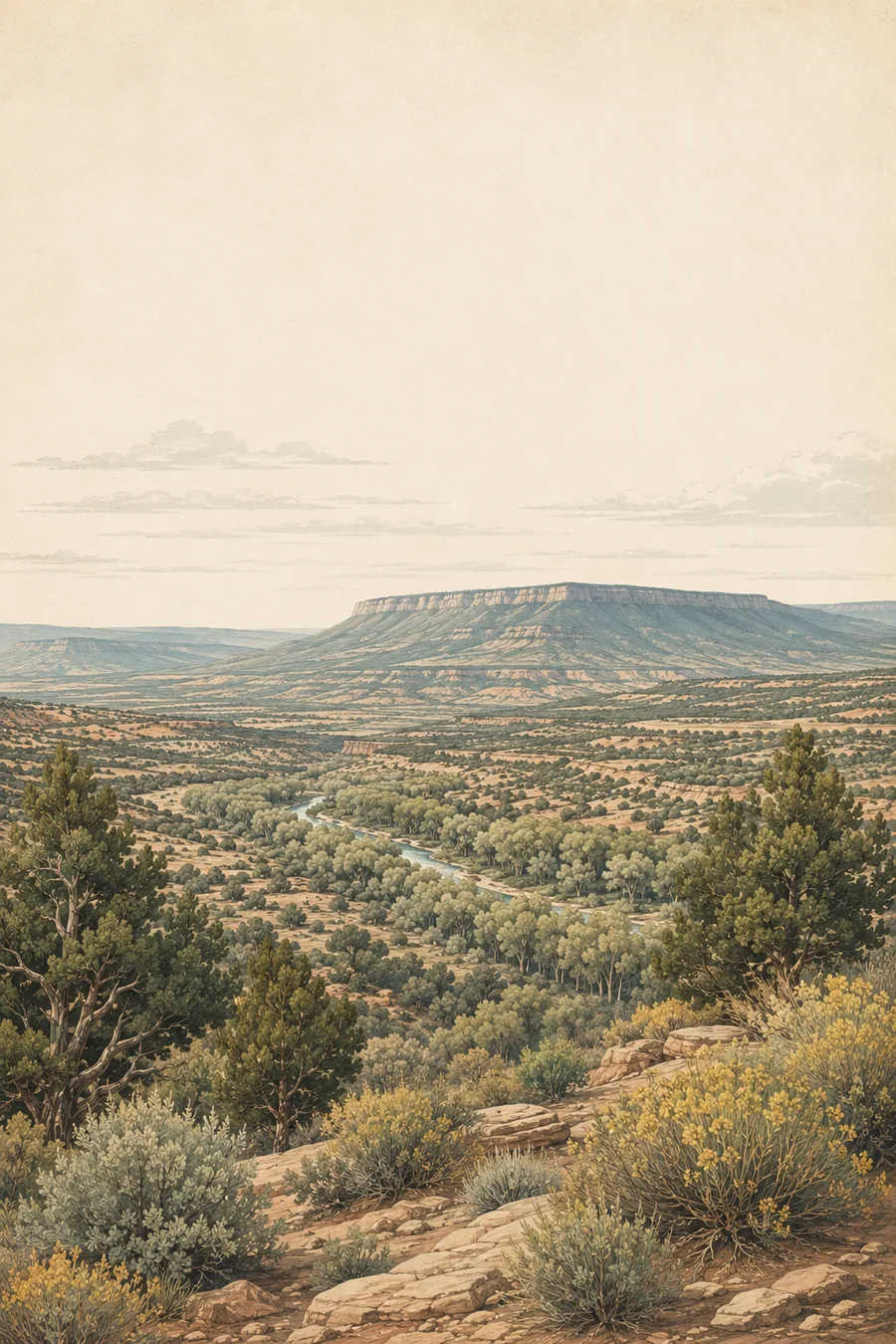
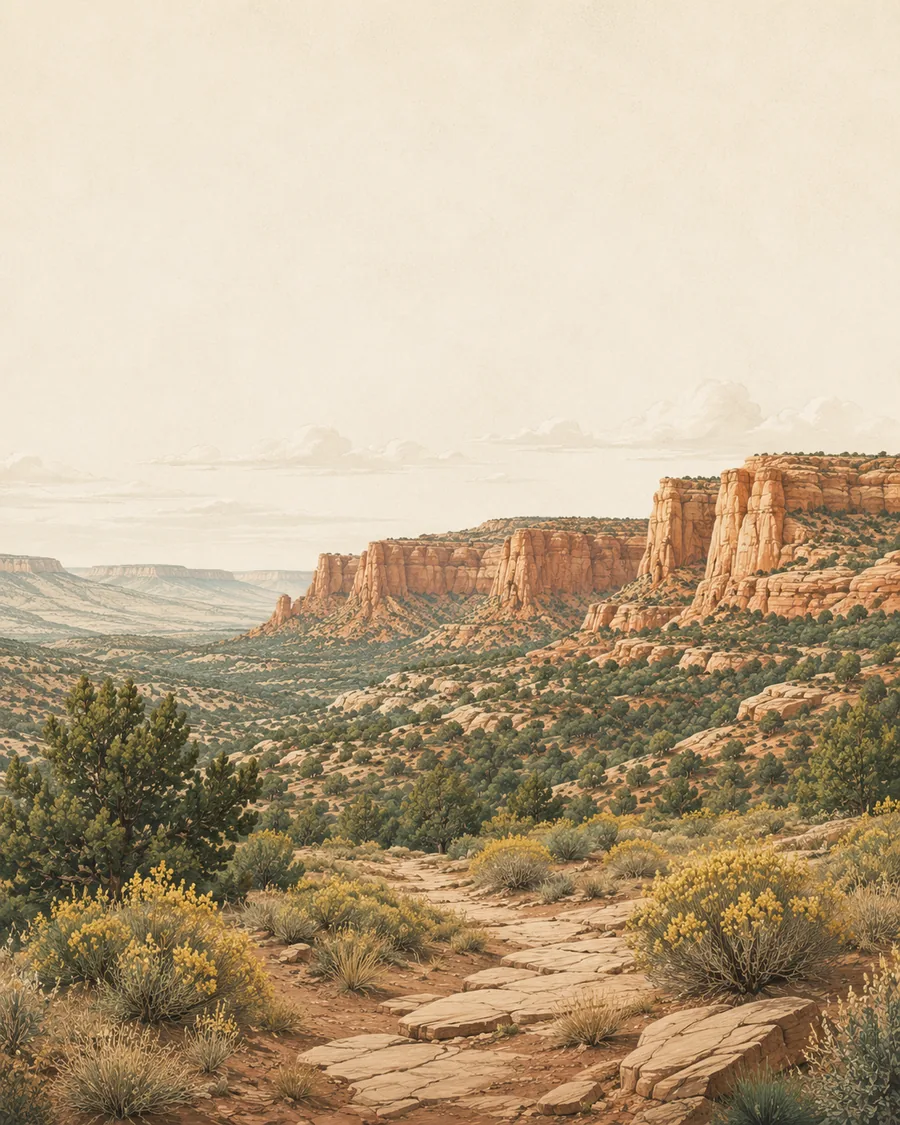
This is high-desert country. The Colorado and Gunnison rivers meet here. The Book Cliffs rise to the north, Colorado National Monument stands over the western edge of the city, and Grand Mesa holds a cooler world of forests and lakes to the east.

Grand Junction is also where the Western Slope comes to get things done. It is the regional center for healthcare, higher education, shopping, government, transportation, and professional services. You can spend the morning on a desert trail, make a specialist appointment in the afternoon, and have dinner downtown without leaving the city.

Field note 01

THE SHAPE OF THE CITY

Grand Junction is a collection of connected districts, neighborhoods, agricultural pockets, and commercial corridors. The street system reflects the valley’s agricultural history. North-south roads are commonly numbered, while east-west roads use letters and fractions.

Distinguish among the City of Grand Junction, unincorporated Mesa County, the Redlands, Orchard Mesa, Fruitvale, Pear Park, eastern areas closer to Clifton, northwest Grand Junction, and the historic core. A postal address does not determine the water provider, sewer system, zoning authority, fire district, school boundary, or services.
Field note 02

DOWNTOWN AND THE HISTORIC CORE

Downtown offers the strongest concentration of restaurants, local retail, galleries, events, and older architecture. Surrounding areas include early and mid-century homes, mature trees, smaller lots, and access to Colorado Mesa University.

Older homes deserve thorough inspections of sewer lines, electrical systems, plumbing, foundations, roofs, insulation, windows, drainage, radon, and permit histories. Walk the block during the day and after dark. Listen for road traffic, college activity, deliveries, and events.

Field note 03

THE REDLANDS

The Redlands lies between the Colorado River and Colorado National Monument. It includes established subdivisions, golf-course communities, newer construction, luxury homes, small acreage, and houses with immediate trail access.

The landscape is an asset but creates property-specific questions involving slope, drainage, wildfire exposure, unusual soils, rockfall in limited locations, septic, irrigation, private roads, and insurance. State Highway 340 is the primary route through much of the area. Drive it during your expected commute.

Field note 04

NORTH AND NORTHWEST GRAND JUNCTION

These areas include established neighborhoods, newer subdivisions, larger retail corridors, medical access, and homes near the airport, Community Hospital, and Interstate 70. Review builder warranties, grading, drainage, HOA rules, landscaping costs, and future development plans. Vacant land is not a permanent view guarantee.

Field note 05

ORCHARD MESA

Orchard Mesa rises south of the Gunnison and Colorado rivers. It contains older neighborhoods, agricultural land, acreage, newer subdivisions, parks, and elevated views. Some homes have irrigation, septic systems, or unincorporated-county rules. Confirm parcel-specific services and study drainage, canals, bluffs, and river proximity.

Field note 06

PEAR PARK, FRUITVALE, AND THE EASTERN VALLEY

The eastern urban area offers established subdivisions, more modest homes, larger parcels, manufactured housing, infill, and agricultural remnants. It crosses multiple service districts and jurisdictions. Investigate the parcel rather than relying on a broad neighborhood description.

Field note 07

HOUSING AND NEW CONSTRUCTION

Grand Junction offers the valley’s widest housing selection, including historic homes, condominiums, townhomes, patio homes, subdivisions, acreage, investment properties, and custom construction.

For new construction, ask about lot premiums, upgrades, landscaping, fencing, irrigation, HOA rules, warranties, internet readiness, future phases, construction traffic, grading, metro districts, and taxes after completion.

For resale homes, review actual utility costs, insurance, maintenance history, and the remaining life of major systems.

Field note 08

UTILITIES AND WATER

The City of Grand Junction provides combinations of water, wastewater, trash, recycling, and irrigation to many properties. Other addresses may use Ute Water, Clifton Water District, septic, private sanitation, irrigation districts, or other arrangements.

Official sources

Ask who provides domestic water, sewer, trash, irrigation, and drainage services; whether any lines are shared; and whether assessments or connection obligations exist.

Field note 09

DROUGHT AND OUTDOOR WATER

Grand Junction receives limited precipitation and depends on mountain snowpack and managed water. Severe 2026 drought conditions led providers to adopt stronger conservation measures and drought-related pricing. Check current notices before planning landscaping. Request summer bills and determine whether the property irrigates with raw water or treated domestic water.

Field note 10

SCHOOLS AND HIGHER EDUCATION

Public schools are part of Mesa County Valley School District 51, which serves just under 20,000 students. Assignments may include Grand Junction High School, Central High School, and multiple elementary and middle schools. Boundaries do not always match neighborhood names or postal addresses.

School of Choice may be available, but approval is not guaranteed and transportation is not provided for out-of-boundary attendance.

Colorado Mesa University adds undergraduate, graduate, technical, athletic, cultural, and healthcare-training programs to the city and affects nearby activity and rental demand.

Field note 11

HEALTHCARE

The regional system includes St. Mary’s Regional Hospital, Community Hospital, the VA Western Colorado Health Care System, primary care, specialists, urgent care, rehabilitation, behavioral health, and senior care. Some advanced treatment may still require travel. Verify provider availability and insurance networks when healthcare is a major reason for moving.

Field note 12

EMPLOYMENT

Major sectors include healthcare, education, government, construction and trades, professional services, tourism, retail and logistics, agriculture, outdoor recreation, energy, small business, and remote work.

Wages, housing costs, and employment differ from the Front Range. Research the market for your specific occupation rather than assuming a lower purchase price guarantees a lower total cost of living.

Field note 13

TRANSPORTATION

Interstate 70 connects east toward the mountains and Denver and west toward Utah. U.S. Highway 50 connects south toward Delta and Montrose. Winter mountain travel can make a Denver trip much longer than the mileage suggests.

Official sources

Grand Junction Regional Airporthttps://gjairport.com/
Grand Valley Transithttps://gvt.mesacounty.us/

The downtown Amtrak station serves the California Zephyr, and Bustang provides regional bus connections. Local transit is useful, but many households will still need a vehicle.

Field note 14

CLIMATE AND AIR QUALITY

Summers are hot, dry, and sunny, with many days above 90 degrees. Winters are milder and less snowy than Denver or mountain communities, although freezing temperatures, fog, inversions, and snow occur. High-country recreation may still involve snow while the valley is warm.

Official sources

National Weather Servicehttps://www.weather.gov/gjt/

Winter inversions can trap pollution, and wildfire smoke may arrive from elsewhere in the West.

Field note 15

OUTDOOR RECREATION

The Lunch Loops offer hiking, running, and technical mountain biking. Colorado National Monument provides scenic driving, hiking, climbing, camping, and road cycling. The Riverfront Trail follows the Colorado River. Grand Mesa adds fishing, hiking, camping, cross-country skiing, snowmobiling, and cooler summer temperatures. Fruita and Palisade are short drives away.

The advantage is not simply having places to visit. It is being able to use them on an ordinary Tuesday.

Field note 16

RESTAURANTS, ARTS, AND COMMUNITY

Grand Junction has the valley’s largest collection of restaurants, breweries, coffee shops, galleries, music venues, and cultural events. Downtown is the primary pedestrian district, while other businesses spread along North Avenue, Patterson Road, Horizon Drive, 24 Road, and additional corridors.

The Avalon Theatre, libraries, museums, galleries, Colorado Mesa University, farmers markets, and festivals create a strong calendar. This is not Denver in miniature. Specialized shopping may require online ordering, businesses may close earlier, and nightlife is limited by big-city standards.

Field note 17

INTERNET AND REMOTE WORK

Fiber, cable, and fixed-wireless options are expanding but remain address-specific. Obtain written confirmation of provider, connection type, upload and download speed, installation time, fees, cellular coverage, and backup options.

Field note 18

PROPERTY RISKS AND INSPECTIONS

Depending on the parcel, investigate FEMA flood zones, canals and drainage easements, wildfire exposure, slope and rockfall, expansive or collapsible soils, foundation movement, radon, septic, wells, private roads, retaining walls, and past water intrusion.

Official sources

Quote insurance early using the exact address and intended use.

Field note 19

TAXES, HOAS, AND DISTRICTS

Property taxes depend on assessed value, classification, and local mill levies. Review Mesa County assessor records, HOA dues and reserves, special or metro-district obligations, irrigation assessments, private-road expenses, pending improvements, rental restrictions, and rules governing RVs, trailers, workshops, animals, and accessory buildings.

Field note 20

IS GRAND JUNCTION RIGHT FOR YOU?

Grand Junction works well for people who want outdoor access without giving up regional healthcare, an airport, a university, major shopping, and a functioning city center.

It may feel too hot, spread out, or quiet for someone expecting an alpine town or metropolitan culture. It may feel exactly right to someone who wants room, sunlight, short commutes, and red-rock country close enough to enter daily life.

Grand Junction’s strength is not perfection. It is range. The right choice begins with understanding which version of Grand Junction you are actually buying.

GRAND JUNCTION PROPERTY CHECKLIST

  1. Is the property inside city limits or unincorporated Mesa County?
  2. Which agency controls zoning and permits?
  3. Who provides water, sewer, trash, irrigation, electricity, gas, and internet?
  4. Are there HOA, metro-district, drainage, or irrigation charges?
  5. Is the property in a flood, wildfire, slope, or unusual-soil area?
  6. Are all additions and accessory structures permitted?
  7. What school boundary applies?
  8. What future development is planned nearby?
  9. What will homeowner’s insurance cost?
  10. Is the property connected to sewer or septic?
  11. Are there private-road or shared-driveway agreements?
  12. Does the intended rental, business, animal, or RV use comply with the rules?
  13. What were actual summer and winter utility bills?
  14. What major systems may soon need replacement?
  15. How does the location function during the real commute?

Thinking about a move to Grand Junction?

I can help you read the parcel, not just the listing, and find the version of the Western Slope that fits your life.

Talk With Shelley
Portrait of Shelley Melendrez

Let's Connect

Tell me what you're looking for.

Share a few details and I'll follow up by email.

This opens your email app with your message pre-filled — nothing is sent automatically.